Long celebrated as the “Mother Road,” Route 66 is an iconic 2,400-mile stretch of highway running from Chicago, Illinois, to Santa Monica, California. In 1946, the Nat King Cole Trio recorded “(Get Your Kicks on) Route 66,” a song that climbed to the 11th spot on Billboard charts and captured the spirit of a cross-country road trip. But for many Black Americans, travel along Route 66 was far from free.
As Route 66 marks its 100th anniversary in 2026, travelers are rediscovering the Mother Road, one that includes the Black travelers who journeyed it during the Great Migration. For millions of Black families, Route 66 required careful planning, often guided by “The Negro Motorist Green Book,” which listed restaurants, hotels and gas stations. Sundown towns, places that openly excluded Black people after dark, lined parts of the route, making safe havens essential.
Food played a central role in that journey. Restaurants listed in the Green Book were not only safe places for Black travelers to eat, but also vital communal spaces. While many of those businesses are closed or no longer in operation, the history still remains and is even highlighted at the Route History Museum in Springfield, Illinois, preserving the story of Black travelers and reinforcing the enduring importance of supporting Black-owned businesses.
If clients are planning a road trip along the Mother Road this year, there is no better time to explore the cultural stories woven into this historic highway. Here are seven Black-owned businesses to visit along Route 66.
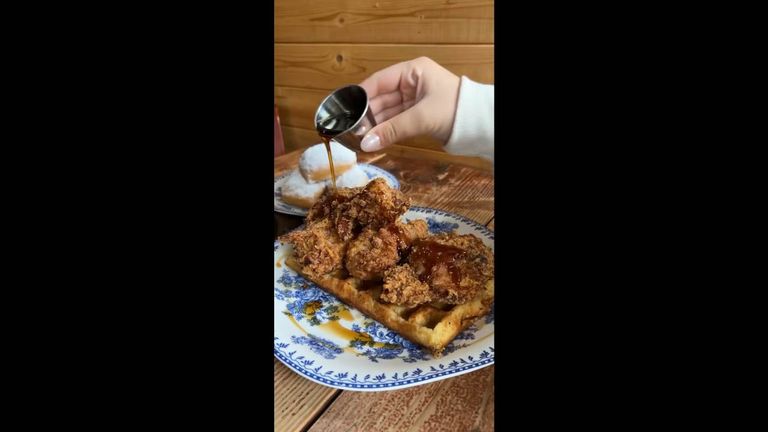 Expect Southern-style brunch, gumbo and more at Luella’s Southern Kitchen.
Credit: 2026 Luella’s Southern KitchenChicago, Illinois
Luella’s Southern Kitchen
Named after chef and owner Darnell Reed’s great-grandmother, Luella Funches — who moved to Chicago from Morgan City, Mississippi — Reed drew inspiration from his Southern roots by watching his great-grandmother in the kitchen. Luella was the first person in his family to live in the city of Chicago in the 1940s. Staying true to Southern roots, Luella’s Southern Kitchen serves Southern-style brunch or hearty dishes such as Luella's Gumbo for dinner.
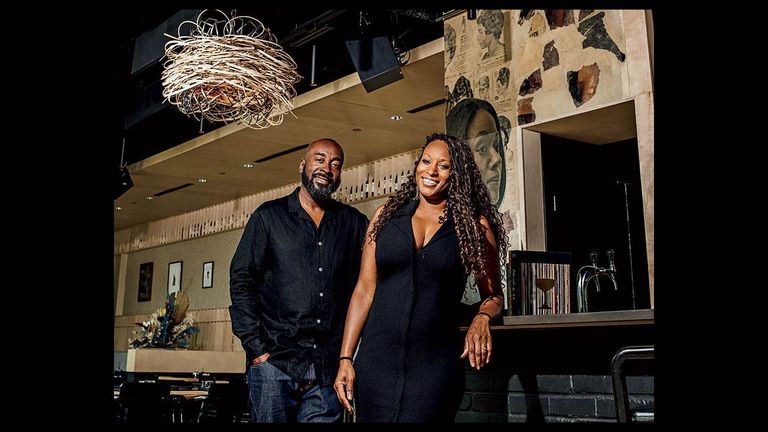 Bronzeville Winery is owned by Cecilia Cuff and Eric Williams.
Credit: 2026 Bronzeville WineryBronzeville Winery
Located in Chicago’s historic Bronzeville neighborhood, a cultural center for Black life during the Great Migration, Bronzeville Winery is a Black- and woman-owned restaurant, and it was recently named one of 2025 Eater’s 38 Best Restaurants in Chicago. Honoring the neighborhood’s deep ties to Black travel, music and entrepreneurship, the restaurant features live music and serves modern American cuisine (think: shrimp and stoneground grits, herb-crusted lamb, creole salmon tagliatelle) alongside a curated wine list.
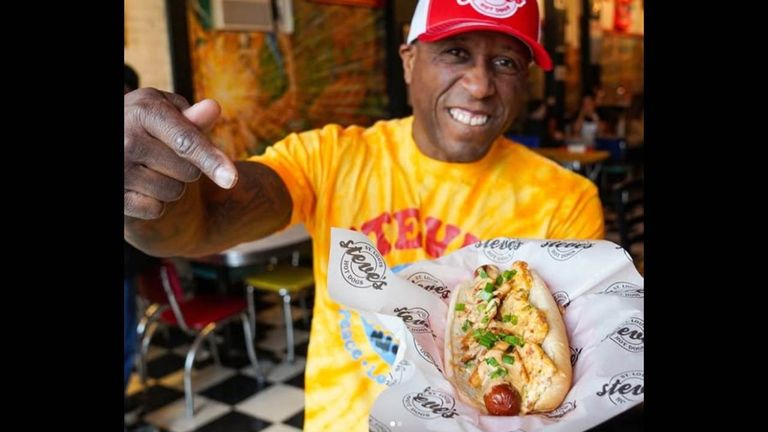 Steve's Hot Dogs went from a cart business to a brick-and-mortar restaurant.
Credit: 2026 Steve's Hot DogsSt. Louis, Missouri
Steve's Hot Dogs
Located along the historic Route 66 alignment in St. Louis, Steve’s Hot Dogs is a well-known Black-owned eatery serving classic American comfort food. Founded by musician Steve Ewing, frontman for the band The Urge, the restaurant grew from a hot dog cart to a brick-and-mortar restaurant. The spot is famous for creative hot dogs such as the Gorilla Mac and Cheese Dog or St. Louis-Style Hot Dog. A community giveback program called #FeedThePeople was started in 2020 and since its launch, the team at Steve's Hot Dogs has served thousands of community-donated meals to people in need and first responders in the St. Louis area.
Oklahoma City, Oklahoma
Florence’s Restaurant
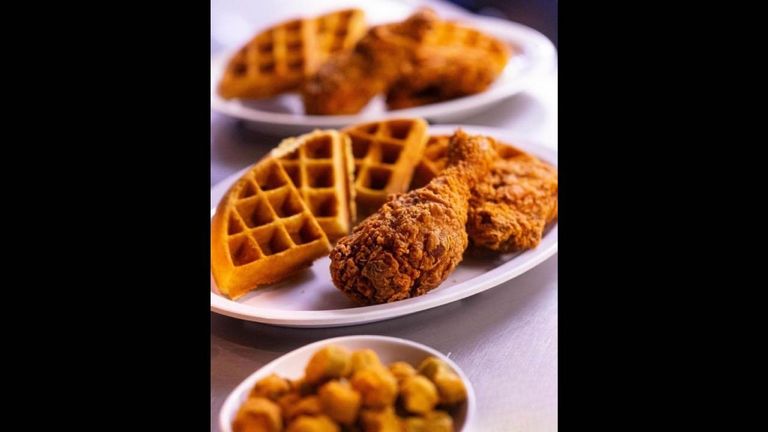
Established in 1952, Florence Jones Kemp started Florence’s Restaurant in Northeast Oklahoma City during a time when it was difficult for African-American women to start a business. In 2022, Kemp was recognized as a James Beard Foundation America’s Classics Award winner, making history as the first Oklahoman to receive a James Beard Award. Serving the city for more than 70 years, the restaurant has become known for its southern food and hospitality, serving dishes such as yammed fried chicken, grilled beef liver and pork chops.
 Award-winning beers and Southern barbecue shine at Nexus Brewery + Smokehouse.
Credit: 2026 Nexus Brewery + SmokehouseAlbuquerque, New Mexico
Nexus Brewery + Smokehouse
This Black-owned barbecue and brewery blends Southern BBQ traditions with New Mexican flavors into New Mexican soul food. Founder and owner of Nexus Brewery, Ken Carson, serves up dishes such as brisket, Southern-fried fish and chips, and red beans and rice. The smokehouse also doubles as a brewery, offering award-winning beers. Nexus reflects how black culinary traditions traveled west and evolved, creating new regional identities while maintaining deep roots in community and heritage.
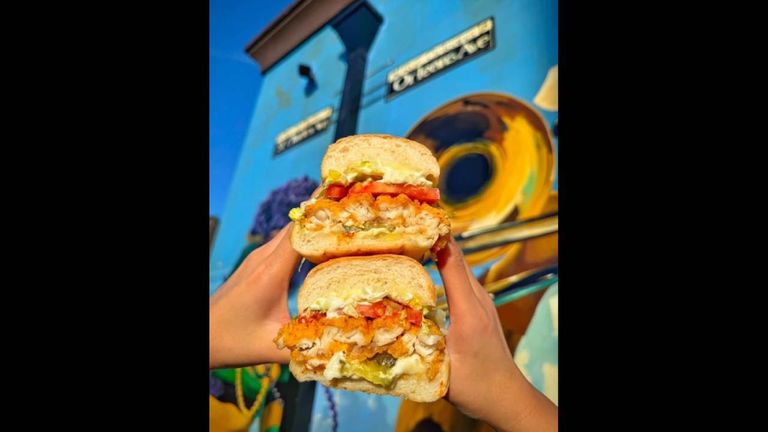 A po’boy sandwich from Harold and Belle's
Credit: 2026 Harold and Belle'sLos Angeles, California
Harold & Belle’s
One of the oldest Black-owned restaurants in Los Angeles, Harold and Belle’s opened in 1969. With their restaurant, Harold Legaux Sr., along with his wife Mary Belle, created a cultural landmark near the western end of Route 66. Now taken over by third-generation husband-and-wife Ryan and Jessica Legaux, the restaurant is known for gumbo, fried oysters and po’boy sandwiches, bringing New Orleans flavor to the West Coast.
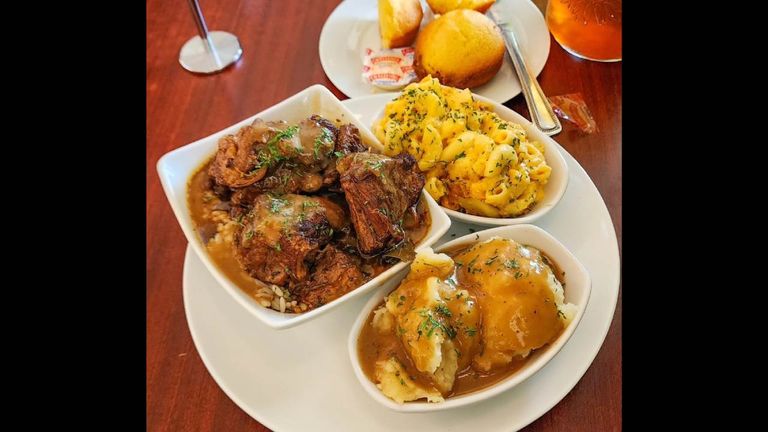 Dulan's on Crenshaw is a soul food institution in Los Angeles.
Credit: 2026 Dulan's on CrenshawDulan's On Crenshaw
Dulan's On Crenshaw is a cornerstone of Los Angeles’ soul food scene, serving up comforting, home-style classics. Opened in 1992 by Greg Dulan and rooted in the community, the restaurant is known for its generous plates of fried chicken, smothered pork chops, barbecue ribs and cornbread. The space has been home to Black iconic visionaries such as mayor Tom Bradley, Rosa Parks, Magic Johnson, Queen Latifah, Richard Pryor and more.
